

Ongoing vessel delays and extended transit times from the Far East have become an unavoidable reality for many UK importers. In recent weeks, these disruptions have intensified — creating knock-on effects across supply chains, delivery schedules, and inventory management.
In this update, we break down the key reasons behind the current delays, the situation at major European ports, and what importers can do to mitigate the impact on their operations.
Why are vessels delayed more than usual
In the one to two weeks following China’s Golden Week holiday, many carriers have delayed sailings by two to four weeks. While post-holiday slowdowns are not unusual, the extent of these delays this year is more pronounced.
Carriers often reshuffle freight schedules after long national holidays to recover from reduced factory output and blank sailings. This effect has been amplified by lower market demand and depressed freight rates, prompting carriers to consolidate services and reduce operational losses.
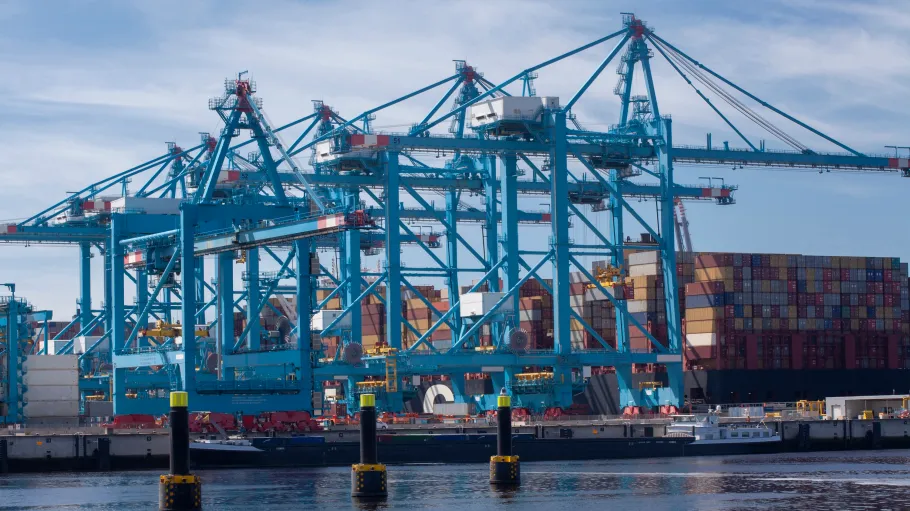
Beyond Asia, delays have been compounded by severe congestion at key European ports, particularly Rotterdam. The port, Europe’s busiest, recently faced strikes from its ‘lashers,’ the teams responsible for securing containers on board vessels.
While a new pay deal has brought an end to the industrial action for now, the resulting backlog is significant. Multiple vessels are currently queuing to berth, and carriers have extended estimated arrival times by several weeks in anticipation of slow unloading and turnaround times.
Rotterdam isn’t alone. Other Northern European ports, including Antwerp, have also experienced industrial unrest, adding to congestion that was already mounting due to vessel redeployments, yard overcapacity, and adverse weather conditions.
Why are transit times longer
In recent years, vessel transit times have lengthened significantly. The primary factor is the ongoing rerouting of ships around the Cape of Good Hope, as most carriers continue to avoid the Red Sea and Suez Canal due to the ongoing security risks in the region. This diversion adds substantial time to voyages between Asia and Europe.
In addition, port congestion, infrastructure limitations, and carrier schedule adjustments have further slowed the movement of cargo. These challenges mean that, for now, sea freight is no longer the fast or predictable solution it once was, requiring importers to plan for extended lead times and build greater flexibility into their supply chains.
What to expect in the coming weeks
The sea freight landscape remains highly unpredictable. Alongside the usual seasonal weather disruptions, ongoing congestion at major European ports is likely to take time to ease. Importers should expect these challenges to continue over the coming weeks as carriers work through vessel backlogs and schedule adjustments.
We recommend building additional flexibility of around 2–4 weeks into your supply chain planning where possible. Some delayed shipments may move forward sooner than expected, but overall recovery is likely to be gradual rather than immediate. Our team will continue to monitor developments closely and provide updates as conditions evolve.
Steps you can take to help your supply chain.
While the situation remains fluid, importers can take proactive steps to minimise disruption:
- Build flexibility into your supply chain — allow for extended lead times where possible.
- Maintain regular communication with us to plan your supply chain.
- Consider alternative methods of transport – such as air freight.
- Review inventory levels to buffer against unforeseen delays.
What CCT is doing to help
At CCT, we’re taking every step possible to support our clients through the current disruptions. Our operations team is in daily contact with carriers to stay informed of schedule changes, port conditions, and any emerging challenges that may affect shipments.
We’re also monitoring live shipments more frequently to identify potential delays early and keep our clients updated with the most accurate information available.
While these global delays are outside of any freight forwarder’s direct control, our commitment remains to provide clear communication, proactive updates, and practical solutions to help our customers plan with confidence.
Our team continues to monitor the situation closely across key Far East and European trade lanes. Any questions? Please contact us via email on customerservice@cctworldwideltd.com or by phone on +44 (0) 3300 434 542